Is Brentwood The Right Westside Neighborhood For You?
May 28, 2026
May 28, 2026
If you are drawn to the Westside but do not want a dense, high-rise feel, Brentwood may already be on your shortlist. Many buyers are looking for that balance of privacy, polished daily convenience, and a neighborhood that feels residential first. This guide will help you understand how Brentwood actually lives day to day, what kind of buyer it tends to suit best, and where it may fall short depending on your priorities. Let’s dive in.
Brentwood is best understood as a primarily residential Westside neighborhood with a quieter, lower-rise character than some nearby areas. The City of Los Angeles community plan describes it as largely residential, supported by retail clusters and some professional office uses, with no industrial land uses.
That planning framework also helps explain the feel on the ground. Brentwood is shaped by low-density and very-low-density housing patterns, rolling topography, and an emphasis on preserving natural contours and scenic views in hillside areas.
If you picture broad residential streets, mature landscaping, and a more tucked-away feeling than a busy urban district, that image is generally in line with Brentwood’s planning identity. Major neighborhood corridors include Wilshire, San Vicente, and Sunset Boulevards, which anchor much of the area’s movement and retail activity.
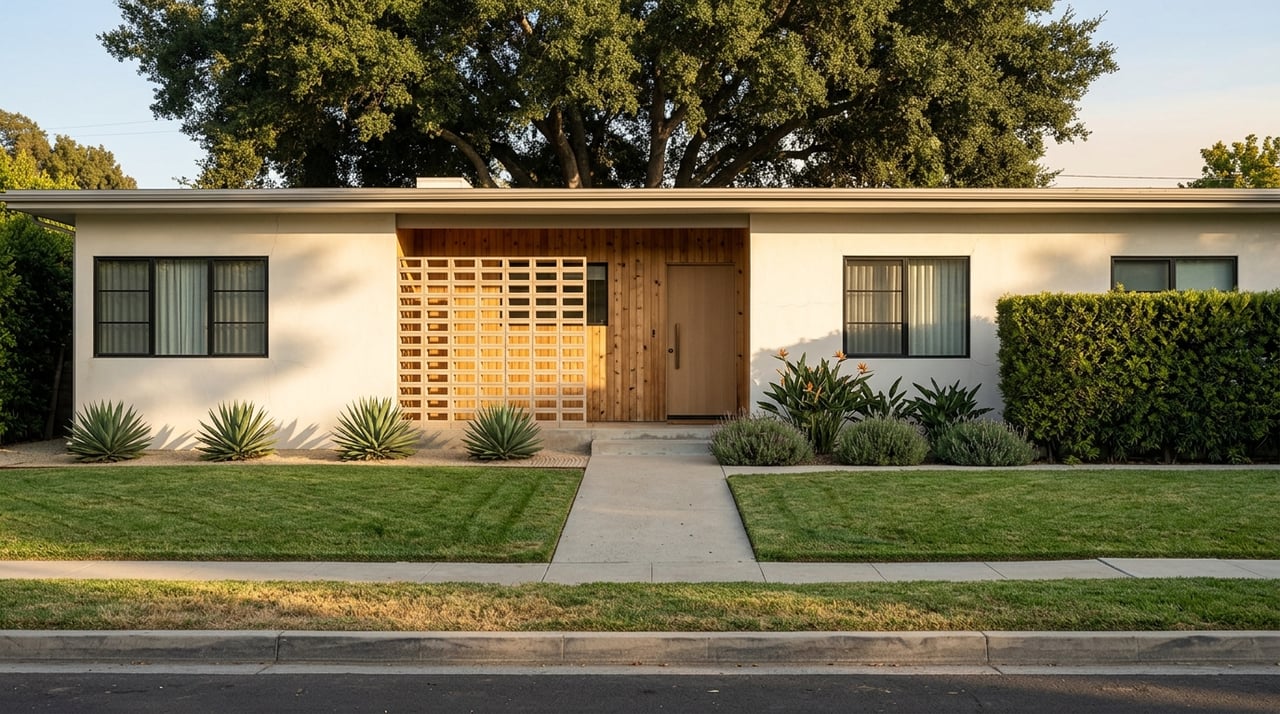
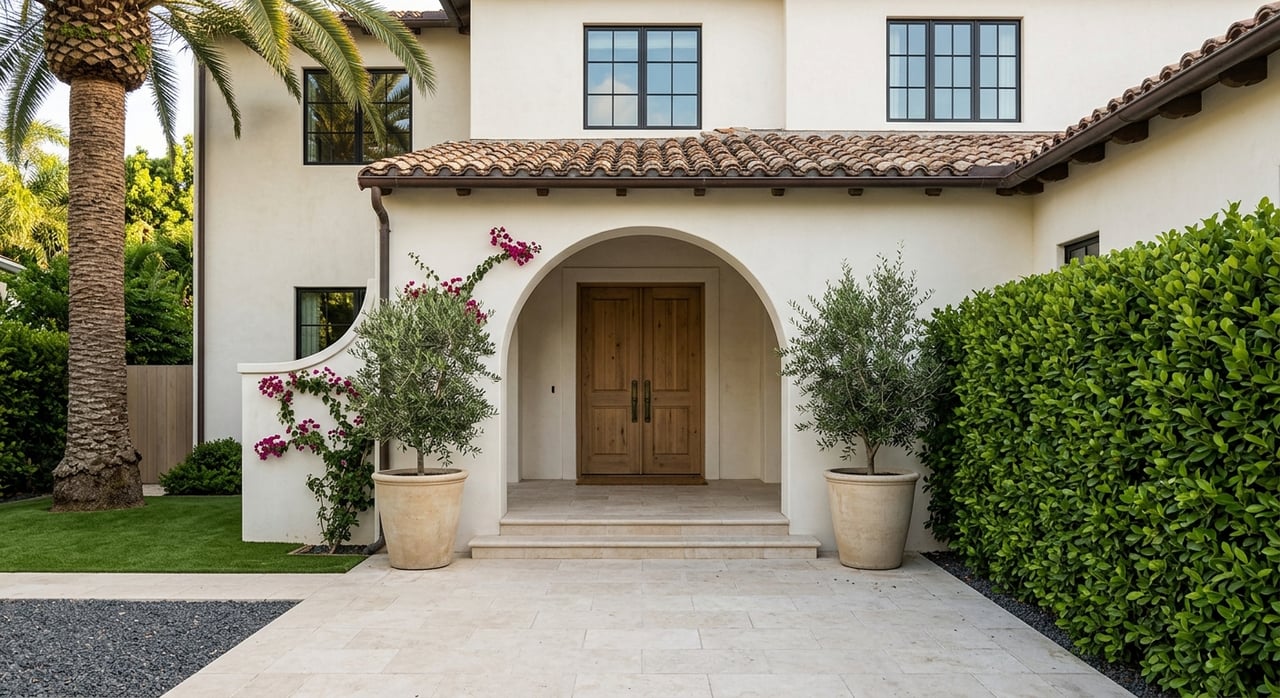
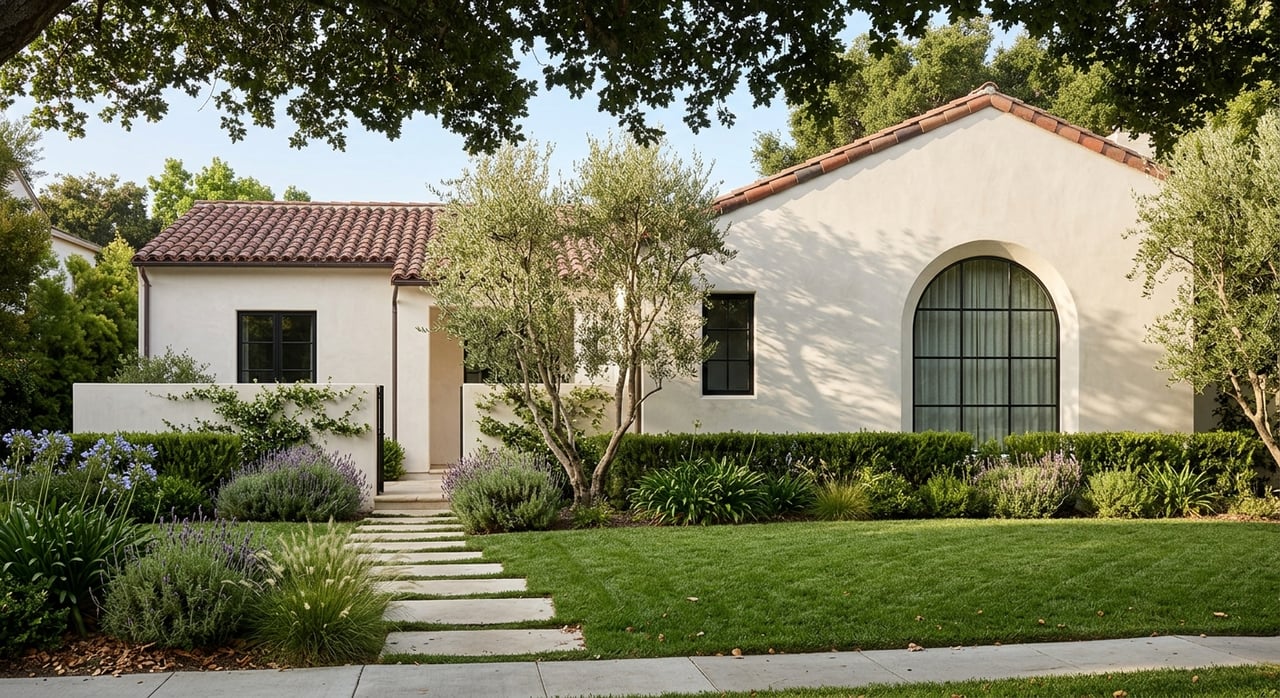
One of Brentwood’s clearest strengths is its street character. Planning descriptions of areas like Brentwood Park point to curving streets, generously sized lots, deep setbacks, privacy walls and hedges, and substantial one- and two-story homes.
That translates into a neighborhood experience that often feels leafy, private, and calm rather than vertical or crowded. The older planning documents also note a park-like setting in some sections, including landscaped traffic circles and streets that follow the natural land pattern.
For many Westside buyers, this is the appeal. You get a neighborhood that feels established and residential, with architecture and landscaping playing a bigger role in daily life than storefronts or tower buildings.
Brentwood is often associated with single-family homes, and that is a major part of its identity. The community plan emphasizes preserving the scale and character of existing residential neighborhoods, which reinforces the area’s lower-density feel.
At the same time, Brentwood is not only single-family. City planning records also identify multi-unit housing in the area, including a 1950s garden apartment complex, and the plan allows for compatible new housing opportunities alongside neighborhood preservation.
That matters if you are trying to judge whether Brentwood offers more than one kind of housing choice. While the dominant impression is still privacy, lower-rise living, and residential streets, there is more variety here than many buyers first assume.
Brentwood does not read like a major shopping district. Instead, it is shaped by smaller commercial pockets that support day-to-day life without overwhelming the residential setting.
Brentwood Village, near Sunset and Barrington, is one of the best examples. City planning describes it as a compact commercial district with mostly one- and two-story storefronts, neighborhood-serving businesses, surface parking, and a pedestrian street.
This is important because it tells you what Brentwood is and what it is not. It is not built around large-scale urban intensity. It is more about convenient local errands, dining, and everyday services in smaller, polished nodes.
Brentwood Country Mart adds another layer to that pattern. Since 1948, it has functioned as a courtyard-style gathering place with shops, dining, services, and community events. Brentwood Town Center at San Vicente and 26th Street offers another compact retail destination with on-site parking and a community-oriented feel.
For buyers who value outdoor time and neighborhood amenities, Brentwood has meaningful strengths. Council District 11 highlights scenic trails above Mandeville Canyon and the coral-tree median on San Vicente Boulevard as part of the neighborhood’s identity.
Barrington Recreation Center is another practical asset. It offers sports programs, camps, classes, lighted fields and courts, picnic areas, and community events.
At the same address, Veterans’ Barrington Park adds a baseball diamond and an off-leash dog park through a partnership involving the City of Los Angeles Department of Recreation and Parks. If your ideal neighborhood includes structured recreation, open space, and options for weekend routines close to home, Brentwood checks that box well.
The Sunday Brentwood Farmers Market also reinforces that everyday rhythm. It supports the idea of Brentwood as a neighborhood built around local routines and repeat destinations, rather than a place that feels purely pass-through or commercial.
When you think about livability, transportation matters just as much as housing style. Brentwood is connected by key Westside roads, including Sunset, San Vicente, Wilshire, and Barrington, and the broader plan area is bounded by the I-405.
The community plan is direct about transportation patterns in the area. Private automobiles remain the primary transportation mode, while bus service, DASH, paratransit, park-and-ride connections, and HOV-related improvements serve as alternatives.
In practical terms, Brentwood tends to work best if you are comfortable with driving being part of your daily routine. It offers strong road access within the Westside network, but it is generally a weaker match for buyers who want a transit-first lifestyle or expect to do most errands without a car.
Brentwood tends to be a strong fit if you want a predominantly residential neighborhood with mature streets, privacy, and a refined but understated day-to-day feel. It also makes sense if you value access to parks, recreation programming, and smaller-scale retail nodes rather than constant street activity.
This can be especially appealing if you are choosing between lifestyle priorities that do not always come together easily on the Westside. Brentwood offers a blend of space, established residential character, and practical convenience that many buyers find hard to replicate.
You may be especially well matched to Brentwood if you want:
No neighborhood is ideal for everyone, and Brentwood is no exception. If you are hoping for high-rise living, a busier street scene, or a more distinctly coastal identity, other nearby neighborhoods may align better with your goals.
The same is true if you want a very walk-heavy, transit-oriented lifestyle. Brentwood includes local conveniences, but the planning framework still points to a car-oriented pattern overall.
You may want to look more broadly if your priorities include:
If you are deciding between Brentwood and Westwood, the biggest difference is density and housing form. Westwood’s community plan describes a much more multi-family-heavy environment, with 84 percent of housing units in multiple-dwelling buildings.
The Wilshire corridor in Westwood also includes high-rise condominiums and apartments, which gives it a more urban residential pattern. Compared with that, Brentwood is more grounded in low-density residential streets and smaller-scale village retail.
If you want a denser, more apartment- and condo-oriented setting, Westwood may be the stronger fit. If you want a more residential and lower-rise environment, Brentwood usually feels more aligned.
Brentwood and Pacific Palisades share some similarities, especially as primarily residential Westside neighborhoods. But the overall lifestyle emphasis is different.
Council District 11 describes Pacific Palisades as primarily residential as well, with single-family homes, condominiums, apartments, a small business district called the Village, and a landscape shaped by parkland, hiking trails, and ocean views. Compared with Brentwood, Pacific Palisades generally leans more coastal and recreation-focused.
Brentwood, by contrast, tends to offer more corridor retail and more direct access to the central Westside road network. If you are choosing between them, the decision may come down to whether you want a more coastal village feel or a more centrally connected residential setting.
Sometimes the clearest way to judge a neighborhood is to match it against your real habits. Brentwood can be an excellent fit, but only if its strengths line up with how you actually want to live.
Ask yourself:
These questions can help you move past general reputation and focus on day-to-day fit.
Brentwood stands out as a predominantly residential Westside neighborhood with privacy, mature streets, small-scale commercial pockets, and strong access to parks and recreation. Its identity is less about nonstop activity and more about steady daily livability in a polished, lower-density setting.
If that combination sounds like what you want, Brentwood may be one of the better fits on the Westside. If you are weighing Brentwood against nearby neighborhoods and want thoughtful, local guidance on where your lifestyle and housing goals line up best, Shannon Minor can help you make a more confident decision.
Stay up to date on the latest real estate trends.
Experience a level of service grounded in discretion, attentiveness, and lasting relationships.