Cheviot Hills Neighborhood Guide for Los Angeles Buyers
June 25, 2026
June 25, 2026
Looking for a Westside neighborhood that feels established, distinctive, and a little more tucked away than the typical grid of Los Angeles streets? Cheviot Hills stands out for exactly that reason. If you are considering buying here, it helps to understand not just the homes, but also the lot patterns, streetscape, recreation access, and long-term lifestyle appeal that shape daily life. Let’s dive in.
Cheviot Hills is a West Los Angeles neighborhood within the West Los Angeles Community Plan area and Council District 5. City planning places the core district southwest of Century City and near both the Cheviot Hills Recreation Center and Hillcrest Country Club.
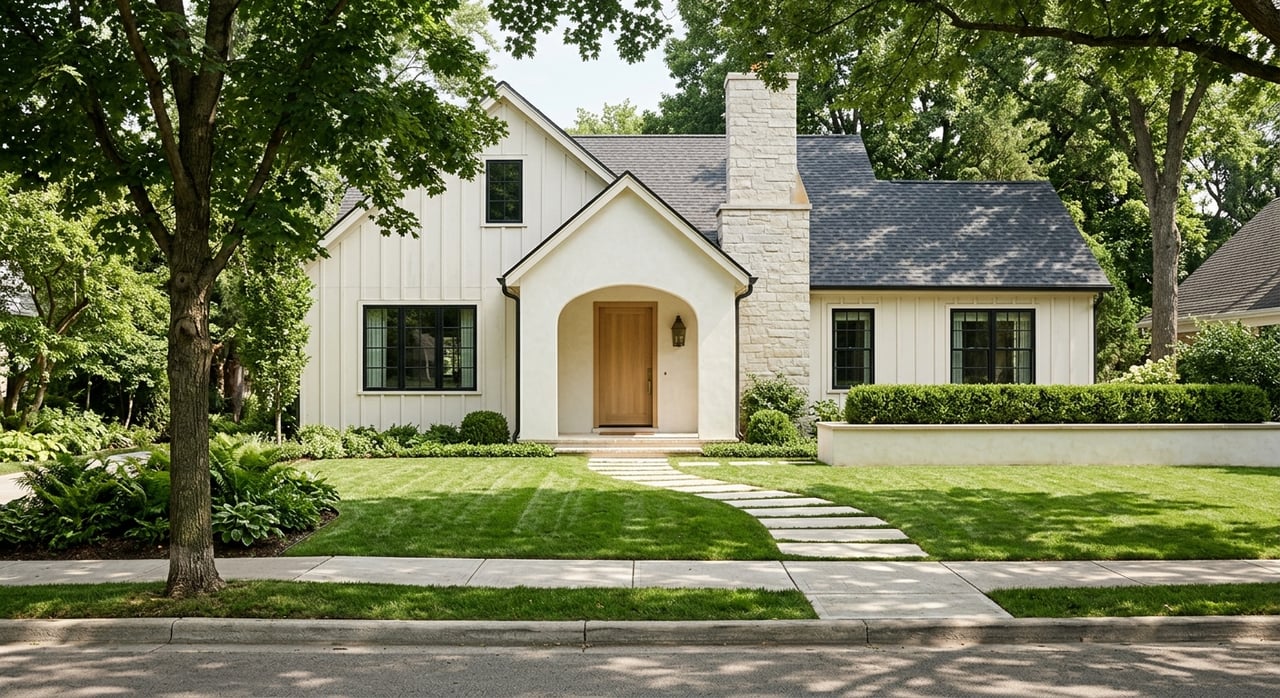
What often sets it apart for buyers is its physical character. Rather than reading like a flat, uniform Westside subdivision, Cheviot Hills feels like an established residential pocket with hilly terrain, curving roads, and a more individualized layout.
That difference matters when you shop here. In Cheviot Hills, the appeal is often tied as much to the shape of the streets, the mature landscaping, and the setting of each home as it is to square footage or bedroom count.
The core Cheviot Hills planning district includes 20 irregular city blocks and about 525 moderately sized parcels connected by curvilinear roads. That means you should not expect a highly standardized block-by-block experience.
Some lots feel straightforward, while others may have unusual geometry or sit differently on the street. In a neighborhood like this, parcel shape can affect privacy, yard layout, views, and how a home relates to neighboring properties.
Original tract features still help define the area. City planning points to setbacks, CD 803 concrete post streetlights, mature trees, and higher-elevation view lots as part of the district’s identity.
For you as a buyer, that creates a practical takeaway. A house that looks compelling online may feel very different in person depending on frontage, slope, landscaping, and how the lot fits into the curve of the street.
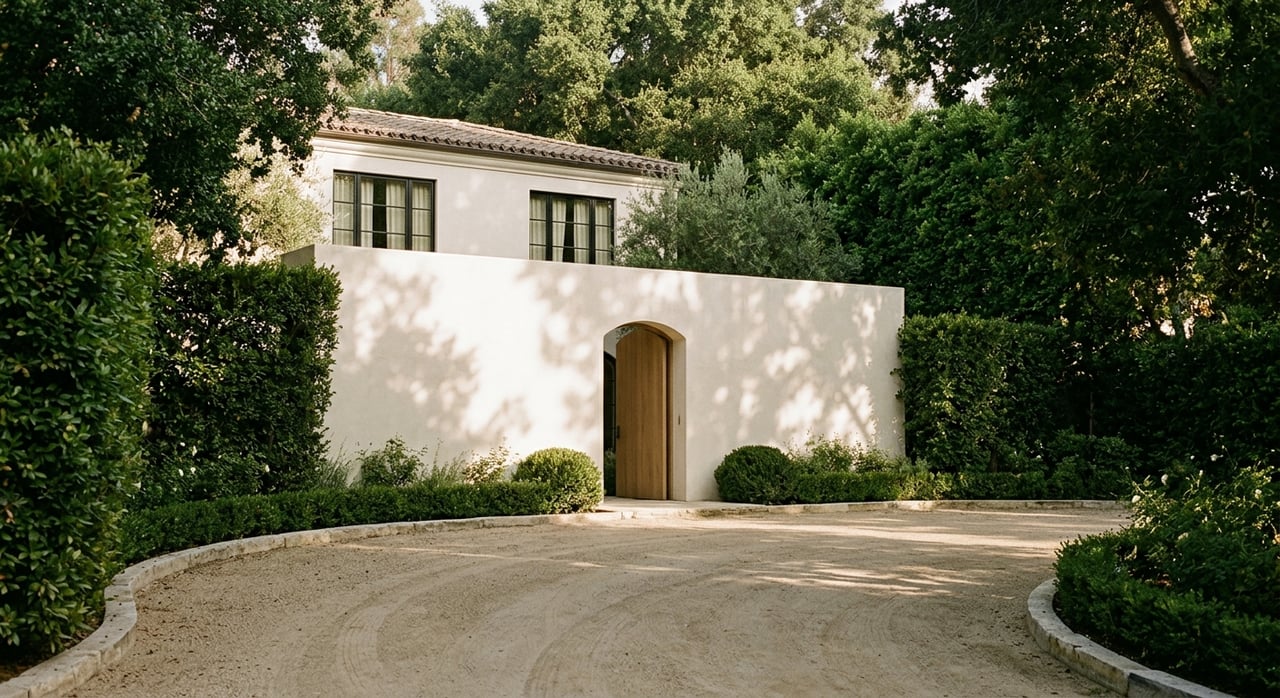
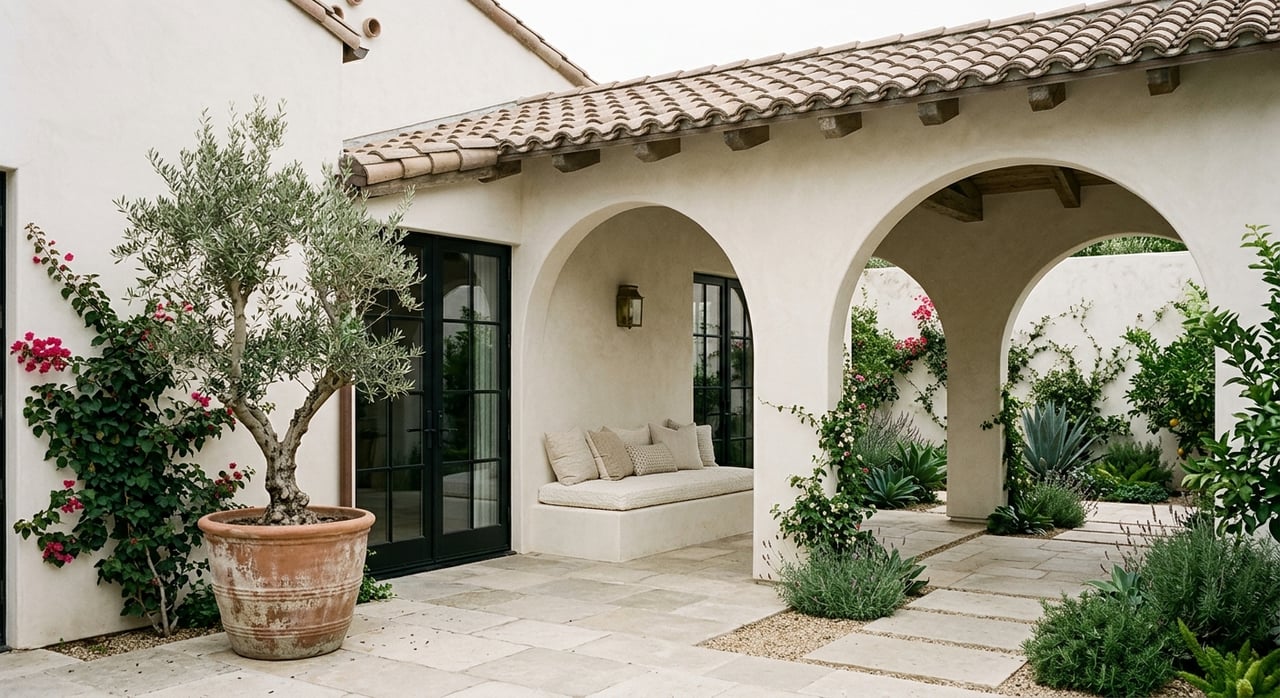
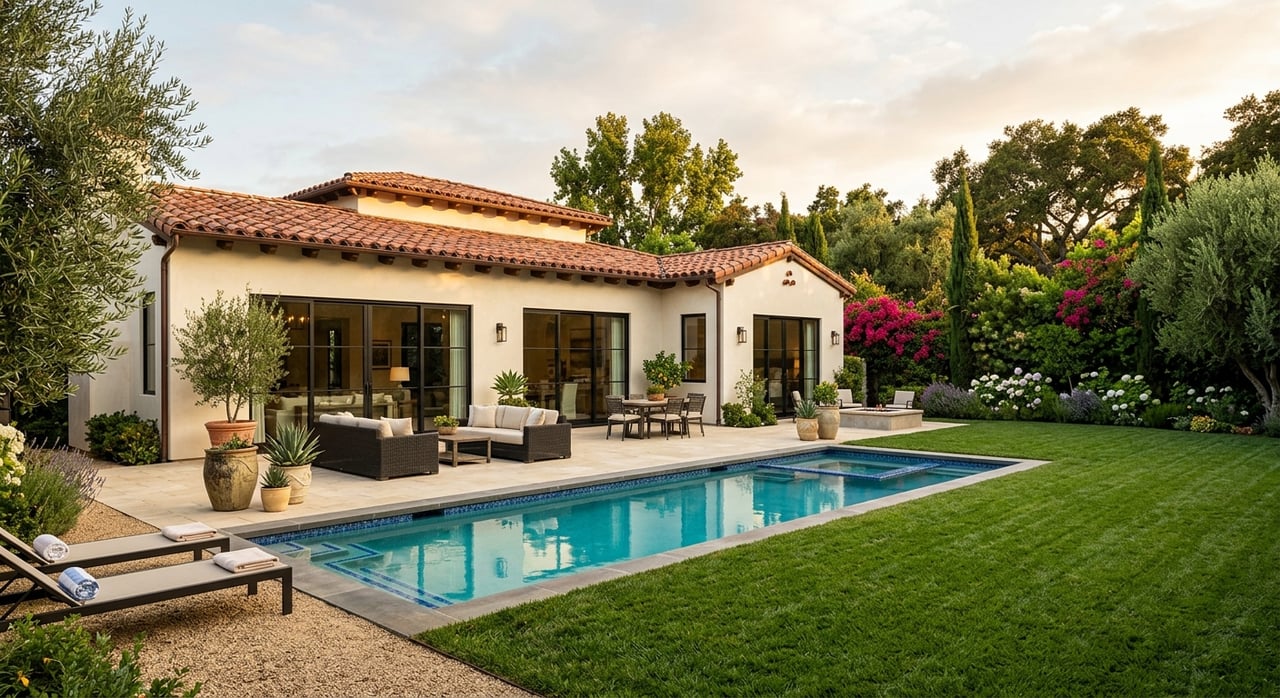
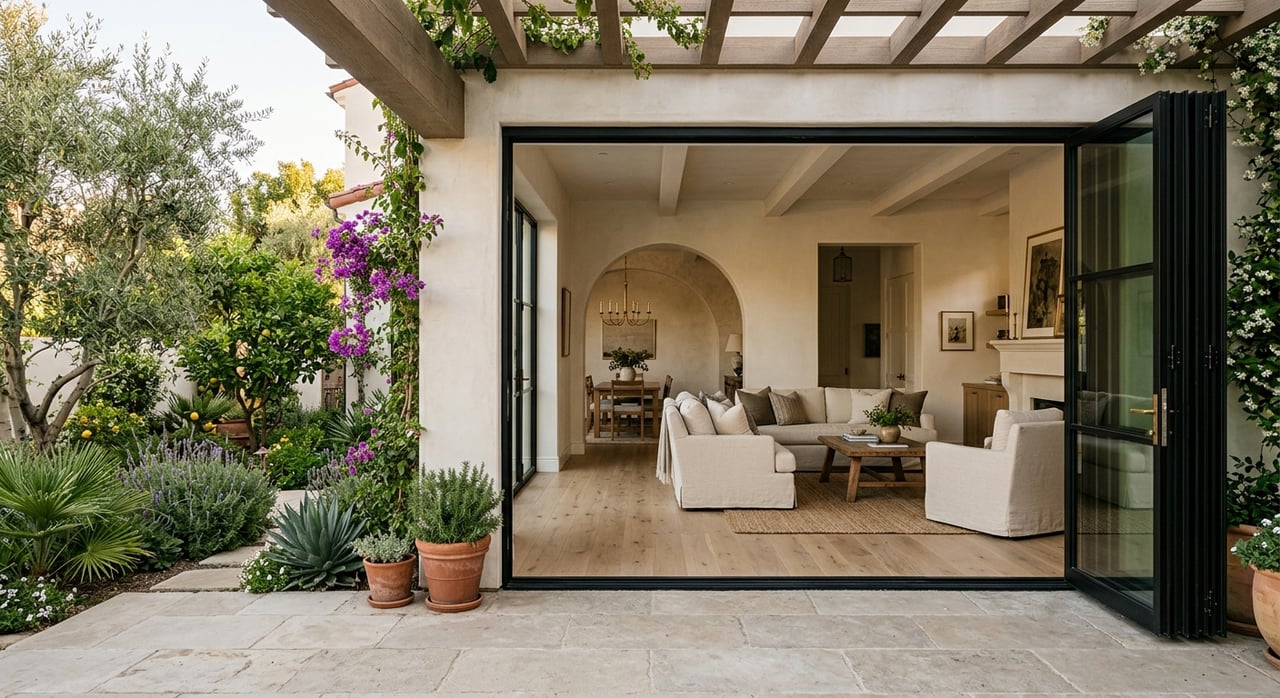
Cheviot Hills does not offer one dominant house type. City planning describes a mix of custom homes and architectural styles that include American Colonial Revival, Ranch, French Norman Revival, Mediterranean Revival, Tudor Revival, and occasional Spanish Colonial Revival.
That variety is part of the neighborhood’s charm. The area began around 1924 and developed lot by lot rather than as a batch-built tract, so homes and yard proportions can vary noticeably from one block to the next.
Monte Mar Vista, one of the subdivisions later combined into modern Cheviot Hills, reflects that pattern clearly. The city describes moderate to large lot sizes there, along with one-story, two-story, and split-level homes, plus some houses that extend across multiple parcels.
If you are a design-conscious buyer, this can be a major advantage. You may find more individuality here than in neighborhoods where homes feel more repetitive or tightly uniform.
Many original properties in Cheviot Hills have been replaced or heavily altered over time. City planning found that the district does not appear eligible for historic-district listing, though it may warrant special consideration in local planning.
That makes house-by-house evaluation especially important. In this neighborhood, remodel quality, scale, and how a property fits its block can have a big impact on how a home feels today and how it may hold appeal over time.
A smart buyer lens in Cheviot Hills includes three things:
You should also ask a few practical questions during your search:
These details may sound subtle, but in a neighborhood defined by character rather than uniformity, they can strongly shape value and livability.
Cheviot Hills is anchored by two major recreational amenities that add daily value for many buyers. The first is the Cheviot Hills Recreation Center at 2551 Motor Avenue, a large community park established in 1945.
According to the city’s park assessment, the recreation center includes 14 tennis courts, baseball fields, basketball courts, gymnasiums, a multipurpose field, a playground, a seasonal pool, an archery range, and 28% tree canopy. The center also offers sports, classes, camps, and special events.
The second is Rancho Park Golf Course at 10460 West Pico Boulevard. The city describes it as an 18-hole, par 71 championship course, and planning documents identify the golf course and recreation complex as a longstanding source of green open space and leisure opportunities in West Los Angeles.
For buyers, this means recreation is not just nearby. It is part of the neighborhood structure and part of what helps Cheviot Hills feel established and livable.
A neighborhood guide should always go beyond architecture and curb appeal. Daily convenience is a key part of what makes a move work well over time.
Overland Avenue Elementary, a LAUSD TK-5 school, is located within Cheviot Hills. For buyers who want to understand what public facilities are located directly within the neighborhood, that is a notable point because it places an elementary school option inside the district itself.
Cheviot Hills also sits in the same planning area as Century City, Westwood, Pico-Robertson, Rancho Park, and Sawtelle. That broader context matters because it places you near a range of major Westside destinations without giving up the more established residential feel that draws many buyers here in the first place.
Location continues to be one of Cheviot Hills’ strongest advantages. Metro says the D Line Subway Extension improves access to Century City and Westwood, with benefits tied to jobs, UCLA, major medical facilities, and other Westside destinations.
If your work or routine is centered around the Westside, that can be an important part of the neighborhood’s appeal. Cheviot Hills offers a residential setting that feels tucked in, while still connecting well to some of the area’s biggest employment and activity hubs.
For move-up buyers and relocators, this balance often matters a great deal. You are not simply choosing a home. You are choosing how your commute, recreation time, and day-to-day rhythm fit together.
Cheviot Hills’ value proposition is tied less to new development and more to qualities that are already difficult to replicate. Planning materials point to its established residential character, mature streetscape, access to recreation, and proximity to major Westside employment centers as central parts of its appeal.
That is helpful to keep in mind if you are evaluating long-term fit. In neighborhoods like this, demand is often shaped by physical character and location advantages that do not change quickly.
Of course, every property is different. But when you buy in Cheviot Hills, you are often buying into a combination of setting, architecture, greenery, and access that feels specific to this part of Los Angeles.
Because Cheviot Hills is nuanced, a careful search process matters. Two homes with similar size or price points can offer very different experiences based on lot shape, remodel choices, landscaping, and where they sit within the neighborhood.
It helps to look beyond finishes alone. A polished kitchen matters, but so do frontage, tree canopy, block consistency, and whether a house feels comfortably placed within its surroundings.
For buyers who value architecture, privacy, and long-term lifestyle fit, Cheviot Hills can be especially compelling. The key is knowing how to read the details that make one property feel ordinary and another feel like a lasting match.
If you are considering a move in Cheviot Hills or elsewhere on the Westside, Shannon Minor offers thoughtful, highly personal guidance grounded in local knowledge, design awareness, and a careful eye for neighborhood fit.
Stay up to date on the latest real estate trends.
Experience a level of service grounded in discretion, attentiveness, and lasting relationships.