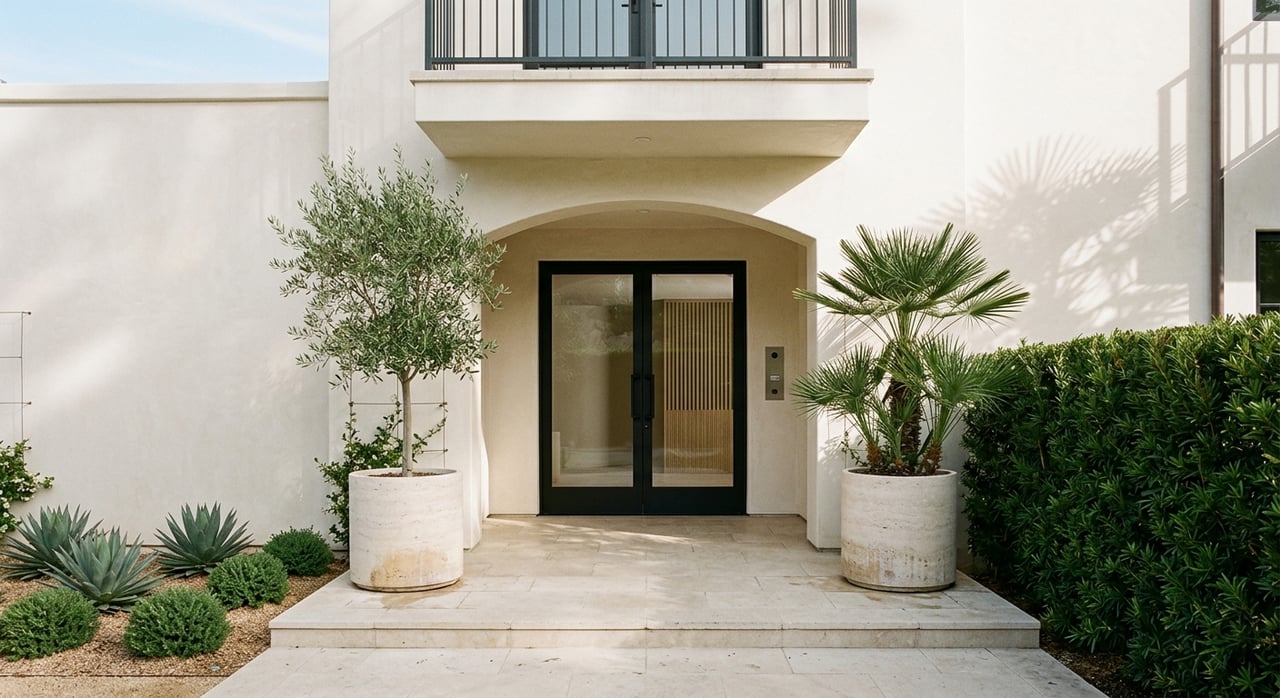
Westwood vs Century City Condos: How to Choose
June 18, 2026
June 18, 2026
Trying to choose between Westwood and Century City for your next condo? Even though these Westside neighbors sit close together, they offer very different day-to-day experiences. If you want clarity on lifestyle, building types, walkability, and what each area tends to suit best, this guide will help you compare the trade-offs with more confidence. Let’s dive in.
Westwood and Century City are adjacent, but they feel quite different once you start looking at condos. Westwood is a larger, more mixed community centered around UCLA, Westwood Village, and several residential pockets. Century City is a smaller, master-planned district built around offices, retail, hotels, and a concentrated residential tower market.
For many buyers, the choice comes down to this: do you want a more layered, campus-village setting or a more polished, tower-centric business district lifestyle? Neither is better across the board. The right fit depends on how you want your home base to feel every day.
Westwood offers more variety in both neighborhood character and condo housing stock. The Westwood Community Plan covers 2,571 acres and includes UCLA, Westwood Village, and multiple residential subareas, which gives the area a broader and more mixed feel than a compact urban district.
Westwood Village is described in City planning materials as a pedestrian-oriented historic and cultural district that began in the early 1930s with primarily two- and three-story Mediterranean-style buildings. That older street fabric still shapes the experience today, especially around the village core.
If you are shopping for condos, Westwood often gives you a wider mix of options. Along Wilshire Boulevard, you will find high-rise condominium and apartment buildings, while other parts of the neighborhood include lower-rise multi-family housing. In practical terms, that usually means more variation in architecture, layouts, renovation level, and building age.
Westwood has a strong campus-town identity. UCLA notes that Westwood Village sits at the southern entrance to campus and includes more than 100 restaurants, movie theaters, Target, Trader Joe’s, and the Hammer Museum.
That mix creates a lively, active rhythm. On a typical day, the area can include students, professionals, residents, and visitors moving through the same commercial core, which gives Westwood energy and convenience that many condo buyers value.
Westwood often makes sense if your priorities include:
If you like having several kinds of streetscapes and residential pockets within one larger neighborhood, Westwood may feel more flexible and layered.
Century City is far more compact and purpose-built. Planning materials and local business district information describe it as a 176-acre planned district built on the former Fox back lot, with high-rise office and residential buildings, a shopping mall, a hotel, and cultural and entertainment uses connected by pedestrian boulevards.
That planning history matters because it still shapes the neighborhood experience. Century City feels more unified, more vertical, and more centered on towers, office access, and polished convenience.
The district has about 6,000 residents and about 50,000 employees. That helps explain why it often feels more like a business hub with homes built into it than a traditional residential neighborhood.
Century City is highly convenience-driven. Westfield Century City lists 66 restaurants, along with services like free Wi-Fi, EV charging, and package lockers, and the district is anchored by businesses in entertainment, law, and finance.
For condo buyers, that can translate into a streamlined daily routine. If you want easy access to dining, retail, fitness-oriented errands, and major office buildings, Century City often delivers that in a compact footprint.
Century City often makes sense if your priorities include:
If you are drawn to a sleek tower lifestyle and a more uniform urban environment, Century City may feel like the clearer match.
One of the biggest differences between Westwood and Century City is the condo inventory itself. Even if two buyers want similar square footage or price points, the building choices can feel very different.
In Westwood, condo stock is mixed in age and form. The area includes older towers on the Wilshire corridor, lower-rise multi-family properties south of Wilshire and around North Westwood Village, and a street pattern that reflects a more layered neighborhood history.
The LA Conservancy notes that Wilshire Terrace Co-Op, completed in 1958, was the first residential tower in the Westwood corridor. Combined with the highly prescriptive planning rules in Westwood Village, this helps preserve a more varied physical environment.
Century City, by contrast, is more clearly defined as a tower market. The Century City Chamber identifies Century Towers from 1964 as the first residential high-rise in the district and also points to later residential offerings including Century Park East Condominiums, The Century, and Park Elm at Century Plaza.
That usually means your search in Century City is more likely to involve comparing prestige high-rises, older luxury towers, and newer luxury product within a relatively small area. If building services, tower presence, and a more consistent vertical lifestyle matter to you, that can be a major advantage.
Both neighborhoods support a walkable lifestyle, but the pattern of that walkability is different. Walk Score rates Westwood at 69 and Century City at 71, so both are fairly walkable, with Century City scoring slightly higher.
Transit is where Westwood currently has the edge. Westwood has a Transit Score of 66, compared with Century City at 54.
Westwood’s convenience is closely tied to UCLA and Westwood Village. UCLA Housing notes that direct-to-campus options include walking, biking, Big Blue Bus routes, and BruinBus service.
UCLA also highlights Broxton Plaza, a 14,000-square-foot car-free space with a weekly farmers market and recurring community events. If your routine involves campus access or you value neighborhood activity within walking distance, Westwood can feel especially practical.
Century City is already strong for car-light errands and office adjacency, but rail access is still evolving. Metro’s June 2026 update shows that the D Line extension section through Century City remains under construction, and the section to Westwood/UCLA is also still under construction.
For now, Century City works best if your version of convenience is centered on towers, shopping, dining, and workday efficiency rather than fully built-out rail connectivity.
When buyers compare these two neighborhoods, the real question is often less about distance and more about rhythm. How do you want your surroundings to support your day?
Westwood tends to offer a more organic neighborhood feel. It has a mix of building eras, a strong connection to UCLA, a historic village setting, and a steady flow of cultural, retail, and everyday activity.
Century City tends to offer a more curated and compact environment. It is built around towers, offices, shopping, hotels, and services, which can create a clean, efficient, and amenity-forward experience.
Here is a simple way to frame it:
| If you value... | Westwood may fit better | Century City may fit better |
|---|---|---|
| Neighborhood character | Historic village fabric and mixed residential areas | Master-planned towers and polished boulevards |
| Condo choices | More variation in age, layout, and building style | More concentrated high-rise options |
| Daily routine | UCLA access and village convenience | Office adjacency and retail convenience |
| Overall feel | Lively, layered, and mixed-use | Compact, vertical, and convenience-first |
If you are deciding between Westwood and Century City, try to evaluate the neighborhood through the lens of your real routine, not just the listing photos. The strongest match usually comes from how naturally the area supports your weekdays as well as your weekends.
A few helpful questions to ask yourself include:
Those answers can narrow your search quickly. In this part of Los Angeles, two nearby condo neighborhoods can deliver very different experiences.
If you want a thoughtful, local perspective on Westwood and Century City condo options, Shannon Minor offers refined guidance tailored to your lifestyle, priorities, and long-term goals.
Stay up to date on the latest real estate trends.



Experience a level of service grounded in discretion, attentiveness, and lasting relationships.