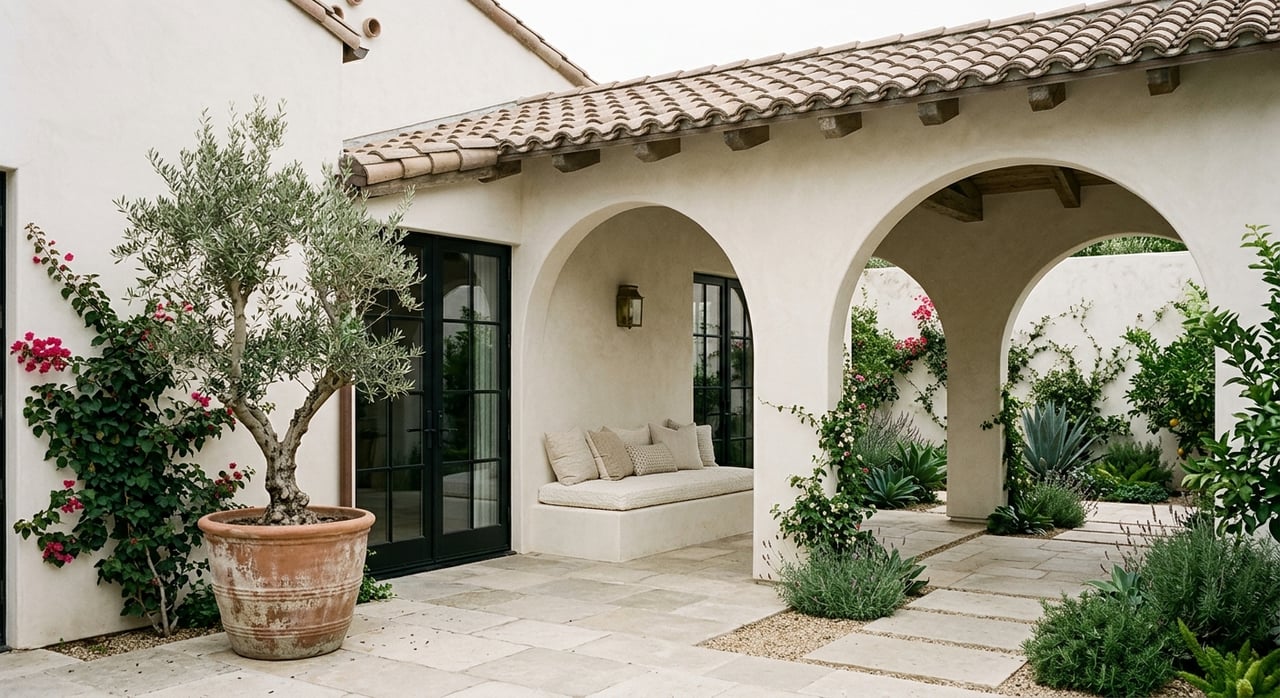
Everyday Coastal Living In Pacific Palisades
July 9, 2026
July 9, 2026
If your idea of coastal living is more about daily rhythm than vacation energy, Pacific Palisades stands apart. You may be looking for a neighborhood where a morning hike, a library stop, and ocean air all feel like part of ordinary life, not a special occasion. In Pacific Palisades, that blend of village routines, outdoor access, and residential calm is a big part of the appeal. Let’s take a closer look at what everyday coastal living here actually feels like.
Pacific Palisades was founded in 1922 and remains primarily residential, with a small business district at its center. City planning has long focused on preserving the community’s identity, including the scale and character that make its subareas feel distinct rather than interchangeable.
That matters if you want a neighborhood with a real sense of place. Instead of reading like a generic beachside district, the Palisades feels village-centered, with day-to-day life anchored by local routines and a recognizable commercial core.
The Village has historically served as the neighborhood’s everyday hub. The city identifies it as the small business core, and local routines include places like the Palisades Branch Library and the Sunday farmers market.
Palisades Village also plays a major role in that identity. Caruso describes it as a walkable destination with more than 40 curated boutiques, entertainment, fresh-food experiences, and the re-imagined Bay Theatre, with Erewhon expected to return as the anchor grocer when the center reopens in August 2026.
In the Village and nearby Alphabet Streets, daily tasks can feel more connected. Rather than driving from one isolated stop to another, you are in a part of the Palisades where errands, coffee, fresh food, and community touchpoints are clustered more closely together.
That pattern helps define the neighborhood’s version of coastal living. It is less about a boardwalk scene and more about having an organized, pleasant center woven into a residential setting.
Pacific Palisades is shaped as much by canyons, parkland, and trails as by the ocean itself. The area’s lifestyle comes from how easily outdoor activity can fit into a regular weekday or weekend schedule.
You are not limited to one flat stretch of shoreline. Instead, the neighborhood offers a mix of beach access, bluffside views, canyon hikes, and trail systems that create a broader coastal experience.
Will Rogers State Beach includes Castle Rock and Palisades Beach and offers swimming, surfing, fishing, diving, volleyball courts, restrooms, showers, and access to the Marvin Braude Beach Bike Path. For many residents, that means the coast can be part of a quick workout, a family outing, or a simple reset at the end of the day.
This is one of the practical strengths of the area. Coastal living here often means having options, whether you want time on the sand, a bike ride, or a more active beach routine.
Los Leones Trail is a 2.7-mile hike rising to East Topanga Fire Road with views of the Pacific Ocean, Pacific Palisades, Santa Monica, and, on clear days, Catalina Island. Topanga State Park adds 36 miles of trails and ocean views, while Temescal Gateway Park includes 141 acres of canyons, ridgeline views, and connections into nearby trail systems.
Together, these spaces make the Palisades feel expansive. You can move from residential streets to scenic open space quickly, which is a major part of the neighborhood’s everyday rhythm.
The Chamber of Commerce describes the area as having year-round ocean breezes and mild temperatures. That climate helps reinforce the open-air lifestyle many people associate with Pacific Palisades.
In practical terms, it means patios, walks, hikes, and beach time can stay in the mix through much of the year. The setting encourages you to spend time outside without needing a special plan.
Pacific Palisades is best understood as a collection of smaller pockets rather than one uniform neighborhood. Community and city references point to areas such as Castellammare, Paseo Miramar, Pacific View Estates, Los Liones, the Highlands, Marquez Knolls, Temescal, Palisades Bowl, Tahitian Terrace, Rustic Canyon, Lower Rivas Canyon, Huntington Palisades, and Riviera sections north and south of Sunset.
For buyers and sellers, that distinction matters. Two homes can both have a Pacific Palisades address but offer very different daily experiences depending on access, topography, and proximity to the Village, trails, or coastline.
The Village and Alphabet Streets are often the most errands-oriented and walkable pocket. If you want easier access to the commercial core and a more connected day-to-day pattern, this area tends to reflect that lifestyle most clearly.
This part of the Palisades often appeals to people who want convenience without giving up the neighborhood’s residential feel. It offers a practical version of coastal living, with more of your routine gathered close to home.
The Highlands and Marquez Knolls feel more hillside and tucked away around Palisades Drive, the Santa Ynez Reservoir area, and the edge of Topanga State Park. These sections may appeal to you if privacy, elevation, or a more removed setting matters most.
The day-to-day feel here can be different from the Village core. You may trade some immediate walkability for a stronger sense of retreat and proximity to open space.
Riviera and Huntington Palisades read as more traditional residential areas. The surrounding street patterns and nearby landmarks help give these sections a settled, classic feel within the broader Palisades landscape.
If you are comparing micro-areas, this is where local nuance becomes especially important. Even within one neighborhood, the tone of a street or pocket can shape how your daily life unfolds.
Castellammare, Paseo Miramar, Los Liones, and Temescal lean more strongly into coastal access and trail use. For someone drawn to ocean views, canyon edges, or quick access to outdoor recreation, these pockets may stand out.
This is part of what makes Pacific Palisades so layered. The neighborhood does not offer just one version of coastal living, but several.
Any current look at Pacific Palisades should acknowledge that the neighborhood is still recovering from the Palisades Fire, which began on January 7, 2025 and caused extensive damage across the Santa Monica Mountains. The area remains active and lived-in, but some parks, trails, and commercial spaces are reopening in stages.
That context is important if you are thinking about timing, access, or neighborhood momentum. Pacific Palisades is not standing still, but it is also not pretending recovery is complete.
Will Rogers State Historic Park reopened on November 8, 2025 with limited access, and visitors returned for guided hikes, historical walks, polo demonstrations, and lawn games. At the same time, select trails and open spaces remained only partially open.
California State Parks also launched a formal recovery planning process for Topanga State Park and Will Rogers State Historic Park in June 2026. That signals a long-term restoration effort rather than an overnight reset.
Temescal Gateway Park is currently closed, according to MRCA. If outdoor access is a major factor in your move, it is worth looking closely at which nearby amenities are fully available now and which are still in recovery.
This does not diminish the lifestyle appeal of the Palisades. It simply means that current conditions are part of the conversation.
The Village is also part of that rebuilding story. Palisades Village is scheduled to reopen in August 2026, and the City issued an executive order in October 2025 to streamline commercial rebuilding within the specific plan area.
A July 2026 update from Council District 11 also highlights brush clearance, road repairs, and new business openings. In other words, daily life is continuing while the neighborhood rebuilds key pieces with care.
In Pacific Palisades, everyday coastal living is less about spectacle and more about balance. You have a neighborhood where the Village supports day-to-day routines, the trails and beaches expand your options, and the micro-areas create meaningfully different ways to live within the same community.
That combination is what gives the Palisades its staying power. It offers a residential Westside setting with ocean influence, outdoor access, and a strong sense of identity that feels grounded in how people actually live.
If you are considering a move in Pacific Palisades or weighing which pocket best matches your lifestyle, working with someone who understands the neighborhood’s subtle differences can make the process clearer. For thoughtful, discreet guidance across the Westside, connect with Shannon Minor.
Stay up to date on the latest real estate trends.
Experience a level of service grounded in discretion, attentiveness, and lasting relationships.